



Murray Theatre Renovation Design Team
Owner: Murray City
Architect: CRSA
Structural: Calder Richards
Civil: Meridian
Mechanical: Colvin Engineering
Electrical: Spectrum Engineers
Acoustics: Spectrum Engineers
Theater Consultant: Spectrum Engineers
Interior Design: CRSA
CM/GC: Judd Construction
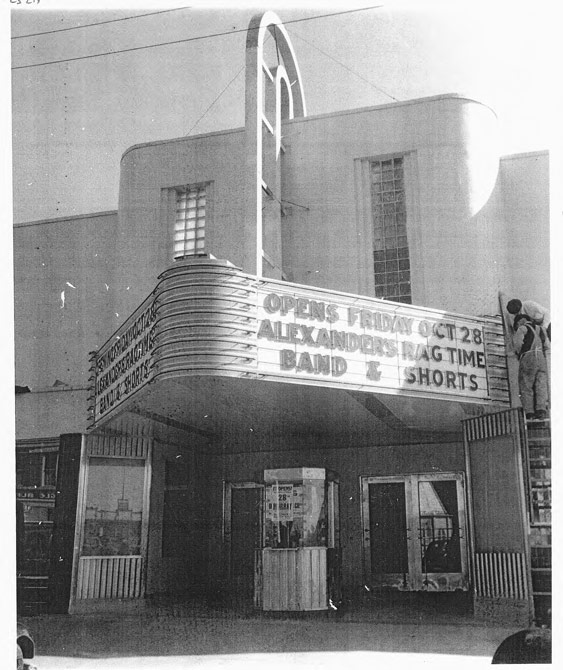
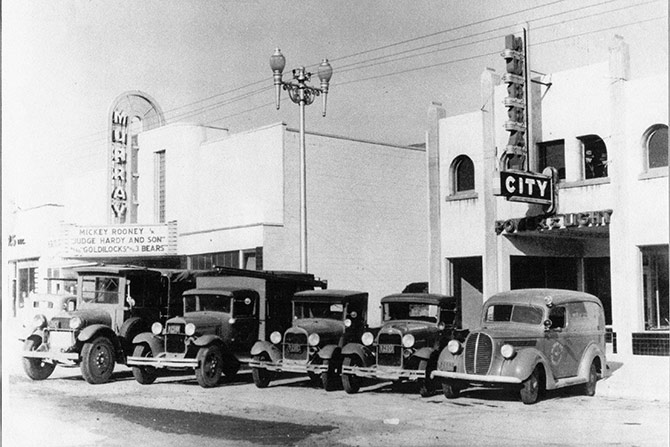
On Oct. 28, 1938, when the Murray Theatre at 4961 South State Street opened, there were two ubiquitous forms of entertainment in the United States: radios — 80% of households had one — and motion pictures — cinemas could be found in most population centers, and “talkies” had become all the rage in the ’30s. Tony Duvall and Joseph Lawrence, who collaborated to build the Murray, also owned four other movie theaters in Utah. Duvall built the Gem and New Iris in Murray, and Lawrence built the Villa in Salt Lake City and the Academy in Provo.
The opening film at the new Murray Theatre was “Alexander’s Rag Time Band,” Twentieth Century Fox’s highest-grossing film of the 1930s. It had recently premiered in August, starring Tyrone Power and Alice Faye, and clocking in at 106 minutes. There were also shorts, such as “Hawaiian Holiday.” The Salt Lake Telegram reported that:
“Capacity crowds jammed into the new theatre when the doors were opened for the first time, and they were thrilled with the beauty and comfort of the building and the perfection of the project and sound equipment.”1
Recognized as one of the region’s best examples of Art Moderne2 theater architecture, the Murray Eagle reported that no expense was spared for this 700-seat movie theater:
“The white front of this beautiful theatre will be amply lighted with the latest type of [fluorescent] lighting, and the marquee and vertical sign trimmed in ruby red. The box office and entrance has been furnished in stainless steel. The lighting in the foyer and inner lobby is all in indirect tubing and is designed to blend harmoniously with the delicate wall decorations and the heavy red floor carpets. The spacious auditorium is fitted with full upholstered chairs which are so situated that every patron may have an unobstructed view of the screen. The auditorium is also lighted with concealed tubing. The aisles are five and one-half feet wide. The latest microphonic sound system and projection equipment has been installed. The theater has been provided with air conditioning, as well as large rest rooms with an ‘ultra-modern’ lounge for the ladies.”3
Since then, the theater has changed hands several times and undergone numerous renovations for various purposes. The Murray was purchased from Fox-Intermountain Theatres by Art Jolley in 1964, who spent $15,000 to modernize it. In 1989, Steve Webb, a Jolley son-in-law, purchased the theatre and operated it as a second-run venue. In 1992, the theatre briefly closed to enlarge the stage, accommodating live performances, including a hypnotist, Vandermiere. The Murray Unity Spiritual Center purchased the building in 2001 and remodeled it for use as a Sunday school, bookstore, prayer room and coffee shop with a 550-seat sanctuary. In 2008, the theatre was transformed into an entertainment and dance venue featuring lights and video technology. The space hosted a diverse range of musical acts, cultural events, private parties and wrestling events. Even Adele played at the Murray Super Theatre in 2009, early in her career, before she was an international phenomenon. The operation was a casualty of the Great Recession.
When Murray City bought the theatre in 2015, the space was barely recognizable with its tiered seating and dance floor. In 2018, the city initiated the long process of renovating the theatre to transform it into a film and live performance venue. According to Murray City’s Parks and Recreation director, Kim Sorensen, the Murray Theatre remodel was part of Murray City’s Center District Redevelopment Zone, which also included the Murray Mansion, mixed-use developments, and the creation of public spaces like the downtown plaza. Sorensen says, “The goal was to preserve the Murray’s distinctive ‘small downtown’ character and attract people to the area by bringing in events.”
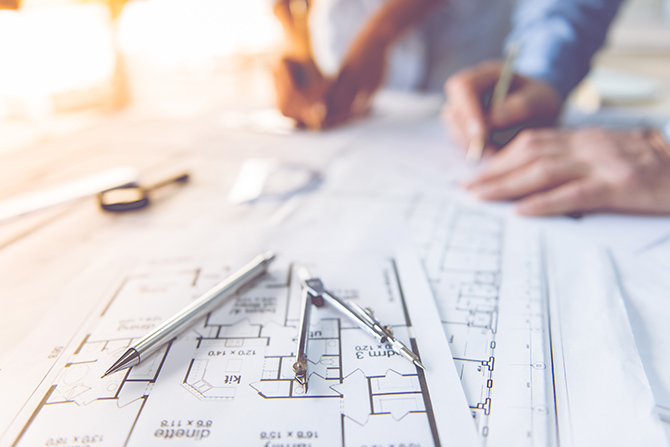
CRSA, a Salt Lake historic preservation architecture firm, was hired in 2019 to research and design the remodel. Scott Jackson, CRSA’s project manager, says that the building was in a state of disrepair due to its numerous iterations of use and reuse, and required extensive work to restore it to its former glory. To restore the look and feel of the original structure while creating a safe and functional cinema/live performance venue, the building had to be taken down to its bones. The firm did exhaustive research to uncover the theatre’s pre-renovation finishes and had to rethink the layout to accommodate the city’s new program, while still honoring the integrity of the original theatre.
Additionally, the project was stalled by the COVID-19 pandemic, funding delays and the discovery of water under the stage and house of the auditorium. This was particularly surprising as the city had not encountered water table issues with any of its other construction projects. There was genuine concern that the building might be too costly and complicated to restore. However, after a thorough analysis and consideration of the site, city officials determined that the theatre was worth the investment and likely its best use. Salt Lake County provided Murray with a Tourism Recreation Cultural and Convention grant, and without having to bond or raise taxes, the city was able to commit additional resources to restart the project. Ultimately, the project cost $11 million, and Sorensen said that once the project began in earnest, it would take three years to complete the design and construction.
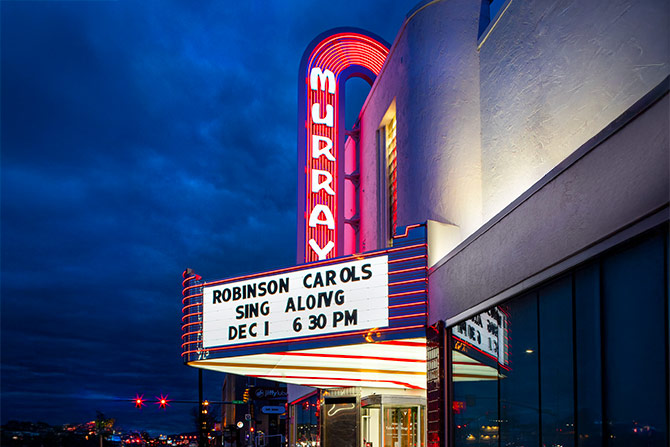
A significant part of the project budget was allocated to dewater the site. Underground permanent pumps and an ejection station were installed in the adjacent alleyway to redirect the water to State Street. A seismic upgrade required bracing the trusses, structurally reinforcing the walls with shotcrete, and rebuilding the entire foundation. The only part of the Murray Theatre sign that was original was the framing, so a new sign that replicated the original was fabricated, and a marquee was installed. The original stainless steel box office, reconstructed on the exterior of the building for historic reasons, was deemed insufficient for security, technology and practicality, prompting the design team to create a new box office in the lobby. The lobby’s concession stand was also recreated.
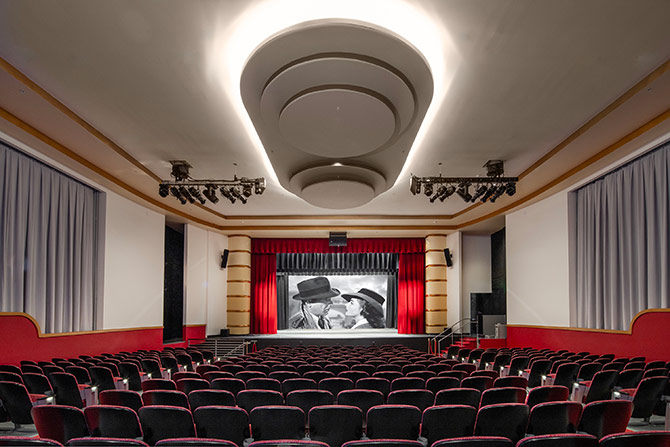
The house seats 330, which is a more manageable number of seats to fill in the current climate, allowing for a larger stage. To convert the movie theatre into a live performance venue, the design team added four feet to the back of the building to expand the upstage area and included a green room and dressing rooms in the basement. Like virtually all movie houses, there is no fly loft; as such, the design team installed a tension grid that snugly accommodates lighting fixtures, draperies and a cyclorama under the structural beams. Jackson said, “It is pretty tight; it took a lot of finagling.” The stage apron is a hydraulic lift, which can be used as a small orchestra pit and to bring the baby grand piano from the basement onto the stage.
The design team returned to the original interior color scheme, which they had determined through laboratory tests of paint samples. There is rich red on the side walls, the columns on the proscenium are painted shades of cream and cotton, and gold paint was applied to highlight significant finish elements. Katie Lindquist, the theatre’s manager, noted that they have stored leftover finishes, such as tile and carpeting, because they are no longer available, and they will need them to maintain the newly refreshed space.
The newly refreshed, historic Murray Theatre is an authentic and nostalgic space. It invites its audience to imagine a time when attending the neighborhood theatre was truly a special evening’s entertainment. And, like most successful remodels, it feels as though all it needed was a fresh coat of paint and new upholstery, rather than the complete overhaul that makes the theatre functional, secure, and, as Sorensen says, “a gem in our small downtown.”
The Murray Theatre is staffed by a tech crew managed by Robert Wyss. It reopened this fall and has already hosted several sold-out performances, including “Jingle Jacks: Five Carols for Christmas” in December. For booking information, please contact Katie Lindquist, the theatre’s manager.
SOURCES
- Salt Lake Telegram, October 29, 1938
- Art Moderne theatre architecture is a style that emerged in the 1930s, evolving from Art Deco and characterized by streamlined, aerodynamic forms, curving corners and long horizontal lines. It replaced Art Deco’s ornate zigzags with smooth, unadorned surfaces inspired by modern transportation, such as ocean liners and trains, utilizing materials like glass blocks, chrome and stainless steel. This style is evident in theatre buildings through elements like curved canopies, ribbon windows, and a focus on sleek, machine-age efficiency rather than opulent decoration.
- Murray Eagle, October 27, 1938