In 2027, NWL (Naylor Wentworth Lund) Architects will celebrate its 75th anniversary — a rare milestone that places the firm among Utah’s longest-standing architectural agencies. The firm originated in 1952 with founder Roy Richards Silver, whose initial focus was designing small rural elementary schools. His partnership with architect Dale Allsop strengthened the firm’s foothold in educational design early on.
Everything changed when a young architect named Ken Naylor joined the team. As Naylor recalled in his AIA Legends interview:
“I got a call from Roy Silver … he convinced me I didn’t want to be in the development world but needed to come work for him. There were maybe eight of us, including the two partners. I embraced Roy’s business philosophy: Pay people what they need to survive, and at the end of the year, give them a bonus beyond their expectations. That became a tenet of my practice throughout my career. In the mid-80s, Roy retired, and I continued the firm.”
The firm’s identity was shaped in these early years to be steady, relationship-driven and grounded in trust.
A Firm Built on Relationships
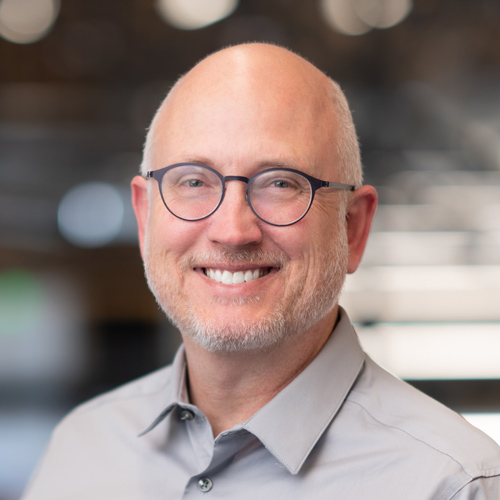
NWL’s current president, Chris Lund, AIA, describes Naylor as “a road warrior” who traveled the state cultivating relationships with school districts. Under the mentorship of Nebo School District Superintendent Joe Reedhead, Naylor began designing schools not for architectural self-expression, but for what districts actually needed.
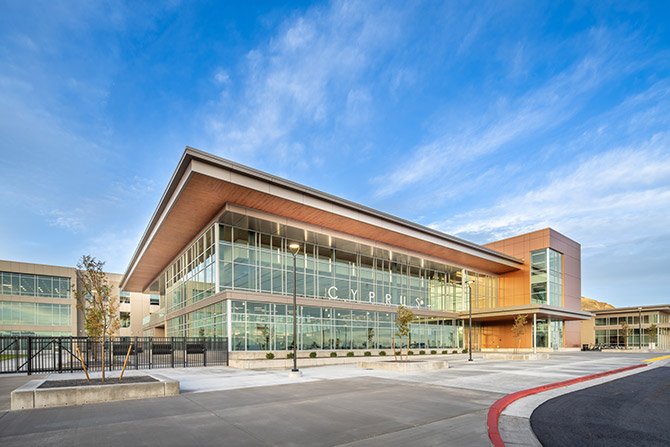
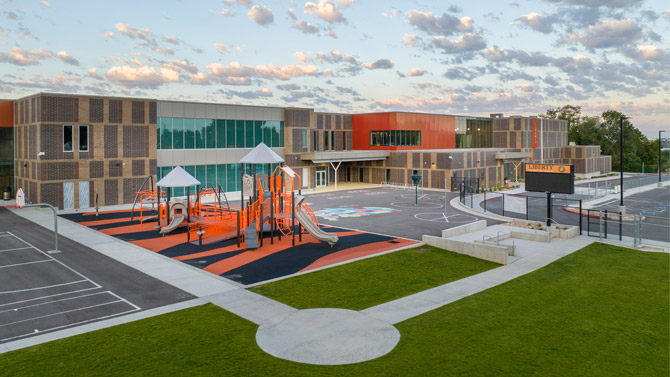
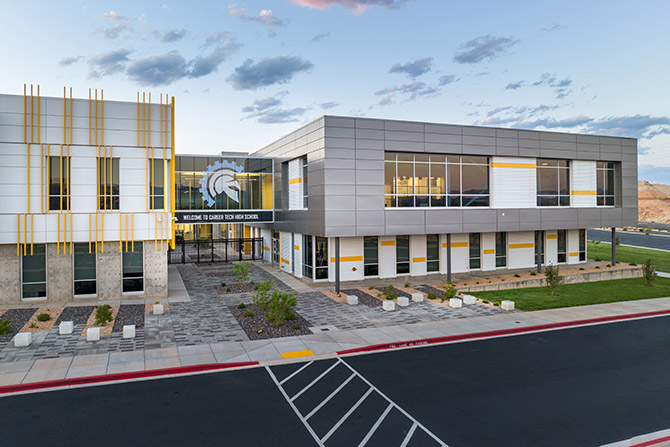
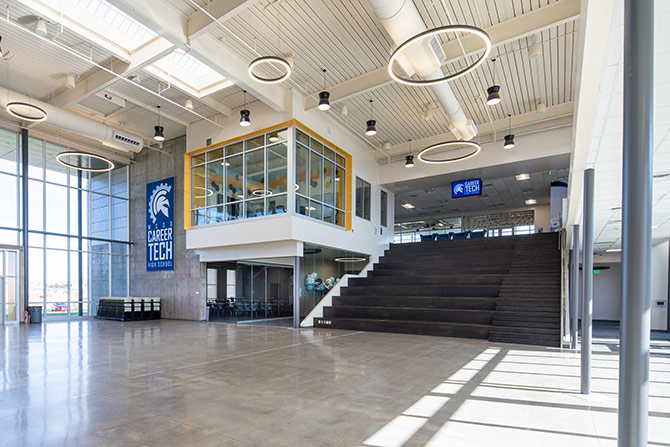
The result was a steady, organic expansion. By the 1990s, school districts were seeking out NWL, rather than the other way around. The firm gained recognition for its cost-efficient tilt-up concrete systems, which provided an economical and durable solution for public education facilities. Eventually, NWL worked with roughly 80% of Utah’s school districts, as well as clients throughout Idaho and Wyoming.
During this period, Naylor recruited Ross Wentworth, who was then working at Granite School District. Wentworth brought invaluable insight into client expectations, strengthening NWL’s client-centered approach. “We still approach our work with the same philosophy,” Lund says. “Clients first. Always.”
Growth Through Mentorship and Opportunity
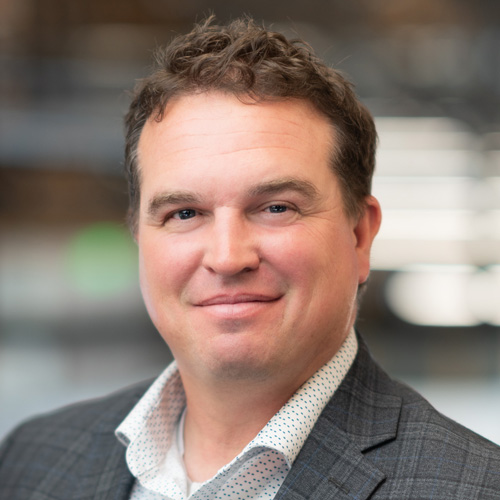
Eric Madsen, AIA, a partner at NWL, believes much of the firm’s long-term stability stems from serving institutional clients and investing in long-standing relationships.
“I remember doing interviews when I was a young architect and being scared to death, but we had to sink or swim,” he recalls. “We made a conscious effort to invite younger professionals to have those learning experiences. Watching them learn the process — including the struggles — strengthened the firm.”
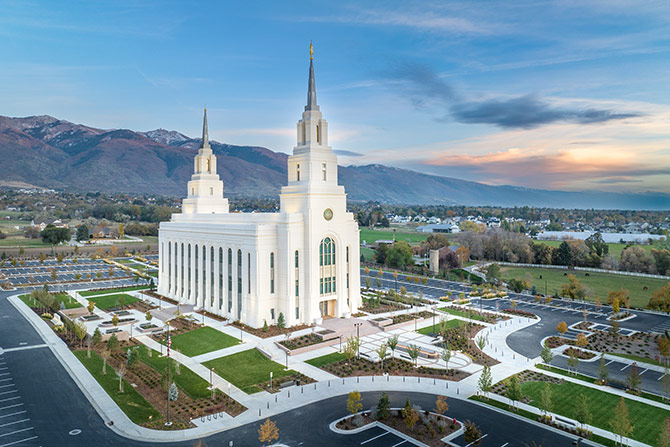
Chris Lund joined the firm in 1995 as its 17th employee. Over the next three decades, NWL grew gradually, one or two people at a time, until it experienced a major expansion between 2015 and 2019, driven by large school projects and three significant temples for The Church of Jesus Christ of Latter-day Saints. Today, the firm employs approximately 70 people.
Learning From Global Work
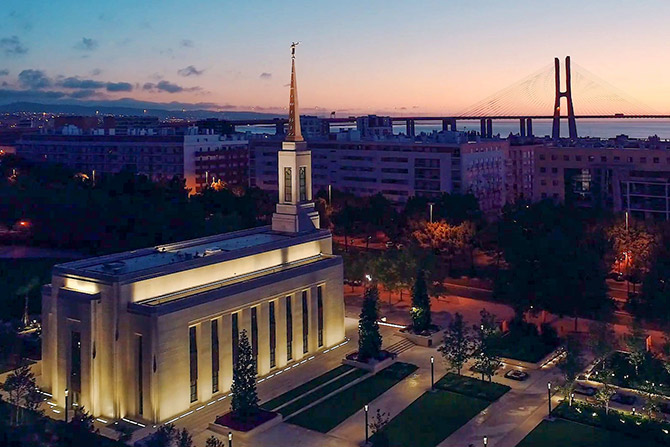
NWL’s relationship with the LDS Church began in 2003 with the Western Samoa Temple. Over the next 22 years, the firm worked internationally on temple projects in dozens of countries. “You can’t have an ego with this client,” says Madsen. “You have to adapt. They are incredibly knowledgeable about construction across the world.”
When the LDS Church shifted to working more with local international firms, NWL pivoted, forming strategic global partnerships rather than stepping away from international work. The firm now operates in a partnership with Portuguese firm LAT41, expanding into sectors such as healthcare, commercial and retail facilities. “Working internationally taught us not to impose American standards on foreign markets,” says Lund. “Flexibility is essential.”
To date, NWL has worked across six continents and in 28 countries, building friendships, learning diverse techniques and strengthening its design versatility.
A Mid-Sized Firm With a Small-Firm Ethos
Despite growth, both Lund and Madsen insist that NWL still feels like a smaller firm culturally. The firm strives to maintain a positive work environment while prioritizing collaboration and looking out for its team members.
With size, however, has come financial complexity.
“Developing administrative tools is its own design problem,” says Madsen. “You need just enough sophistication to be a viable business without abandoning who you are.”
Lund adds with a laugh, “We’re a respectable medium-sized firm with the culture of a smaller firm.”
Embracing Complex Institutional Work
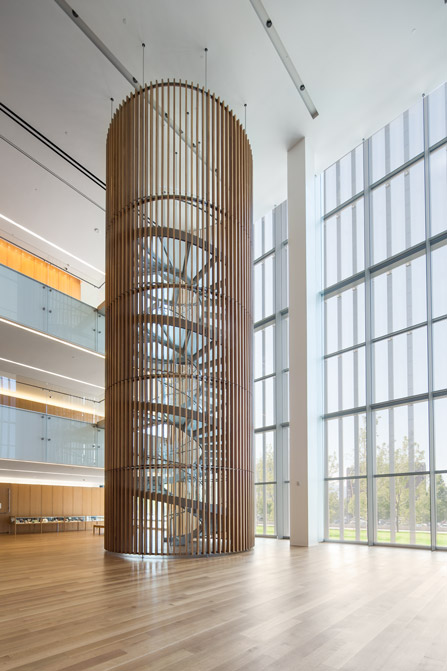
NWL’s core markets, including education, religious facilities and federal projects, have helped them weather economic downturns. Their long-standing relationship with the U.S. General Services Administration led to a landmark collaboration with Thomas Phifer and Partners on the Orrin G. Hatch United States Courthouse.
Madsen describes the experience vividly:
“Having a glass box in the desert is a bold and crazy thing to do. The fins perform beautifully. Working with Phifer was fascinating — iteration after iteration, passion and clarity of vision. He has a gift for persuasion.”
Lund echoes that sentiment:
“We don’t have a lot of hubris. Our clients are politically and ideologically diverse. Our job is to help make our clients’ vision better, even when their ideas seem a little crazy.”
Leadership, Legacy and the Next Generation
Philip Wentworth, Ross’s nephew, joined NWL in 1998 and became a partner in 2020. Today, he leads NWL’s educational work in northern Utah and is a key voice in the firm’s leadership. His path is emblematic of how the firm champions younger architects and helps them grow into leaders.
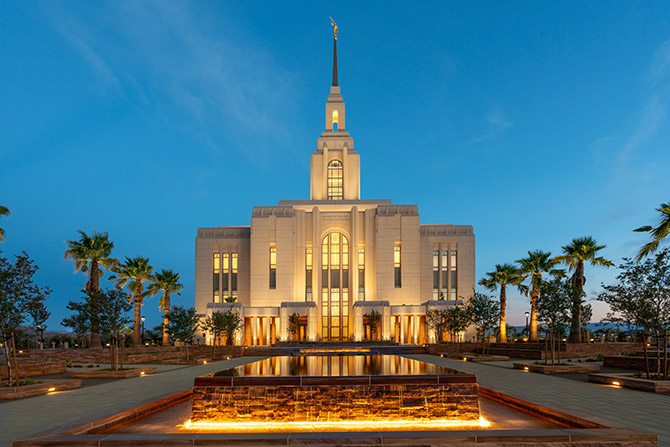
Similarly, the firm’s St. George office, opened by Naylor 28 years ago, has become a powerhouse under the leadership of partner and office director Terance White. NWL is deeply trusted by districts across southern Utah’s rapidly growing communities. Notable projects outside of the educational market include the Dixie Convention Center, Santa Clara City Hall and Red Cliffs Temple.
The most recent addition to the firm’s partners is Travis Naisbitt, who has contributed tremendous value over the course of his 21 years at NWL. His skills in production, management and mentoring have landed him the critical role of director of operations.
Looking Forward
As NWL approaches its 75th anniversary, the firm’s leaders remain focused on sustainable growth. They plan to continue expanding strategically within institutional markets while strengthening internal efficiencies.
“We don’t want to overexpand,” says Lund. “Our goal is to mentor our young team, refine our systems and remain efficient.”
Madsen summarizes their future direction succinctly:
“Our biggest challenge has been adjusting to growth. We’re building financial and workload tools to help us see the future more clearly. Ultimately, we want to stay effective, strengthen our relationships, work as a team and deliver quality work.”
Seventy-five years in, NWL’s story remains defined not by buildings, markets or awards, but by people, relationships and a commitment to serving clients with transparency, humility and purpose.